Sustainability has long been and still is framed as a matter of technologies, investments, and large-scale global strategies. Yet, the projects that truly succeed share one common element that rarely makes it into report headlines: communities.
From local agricultural initiatives to environmental conservation projects, the most lasting change does not stem solely from technical or financial solutions, but from people’s ability to organize, collaborate, and actively participate in decision-making processes. This is what many scholars and international organizations refer to as a community-based approach.
When this happens, sustainability ceases to be an abstract concept and becomes a tangible process—one that grows from the ground up, rooted in the territories and in the people who inhabit them.
The heart of change: the Community-Based Approach
For decades, development projects have been designed and implemented from the top down, treating local populations as “empty vessels” to be filled with technical knowledge. The outcomes have often been unsuccessful: local communities were excluded, and the technologies imposed proved unusable.
The community-based approach completely overturns this logic. It is not about “imposing” an external model, but about developing one grounded in listening and cooperation with local people.
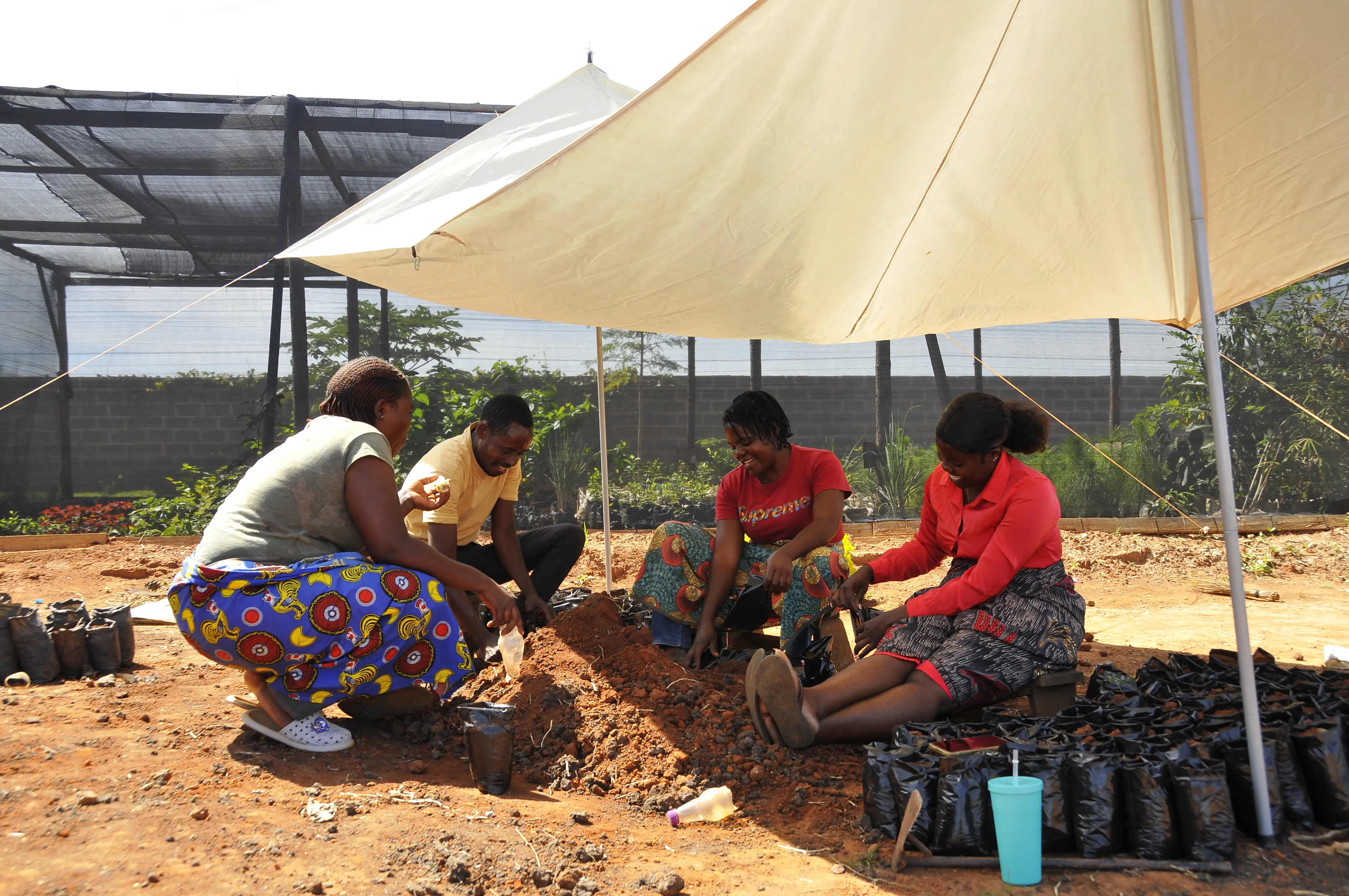
In this model, the community is not a passive beneficiary, but a central actor one that identifies its own needs, plans activities, and manages resources.
As demonstrated by the FAO’s PPP programme, genuine participation occurs only when people pool their efforts and resources toward goals they have identified based on their own context. In doing so, the beneficiary community is transformed into an efficient “receiving system,” capable of absorbing services and technologies while reducing management costs.
Why is local involvement so fundamental?
The answer lies in a striking fact: over 65% of the Sustainable Development Goals (SDGs) of the 2030 Agenda can only be achieved through the direct action of territories and local communities, because it is at this level that resources are consumed and the climate crisis is experienced.
The link between communities and environmental impact is deeply rooted: those who live closest to natural areas often bear the highest cost of their conservation.
In essence, environmental sustainability becomes truly achievable only when it generates fair economic development and social stability for the people who live in those territories.
Community holders: beyond purely economic interest
In the most advanced corporate and financial environments, a new concept is gaining ground: that of community holders.
There is a growing recognition of the need to consider the community as a strategic stakeholder whose well-being is essential to the company itself.
This is referred to as relational value: when a company invests in social initiatives, it is not simply engaging in philanthropy, but building “social infrastructure” and networks of trust.
Koala's approach
We asked ourselves: what is the real value of our method?
To find out, we spoke directly with our CEO, Matthieu Meneghini, and with Musonda from our team in Zambia, who shared their perspectives with us.
Koalisation: “When and how did you realize that Koalisation’s projects had become an integral part of the community’s daily life and future?”
Matthieu: “Yes, I understand. I would say there wasn’t just one specific moment I would identify two.
I will always remember that moment, I think about two years ago, when we completed Koalisation’s first office: there was a huge line of women telling me, ‘We are here for our Mbaula.’ They had heard about the Mbaula, and it was incredible. There were so many women who wanted our stove… it was truly impactful.
The second moment was a few months ago.
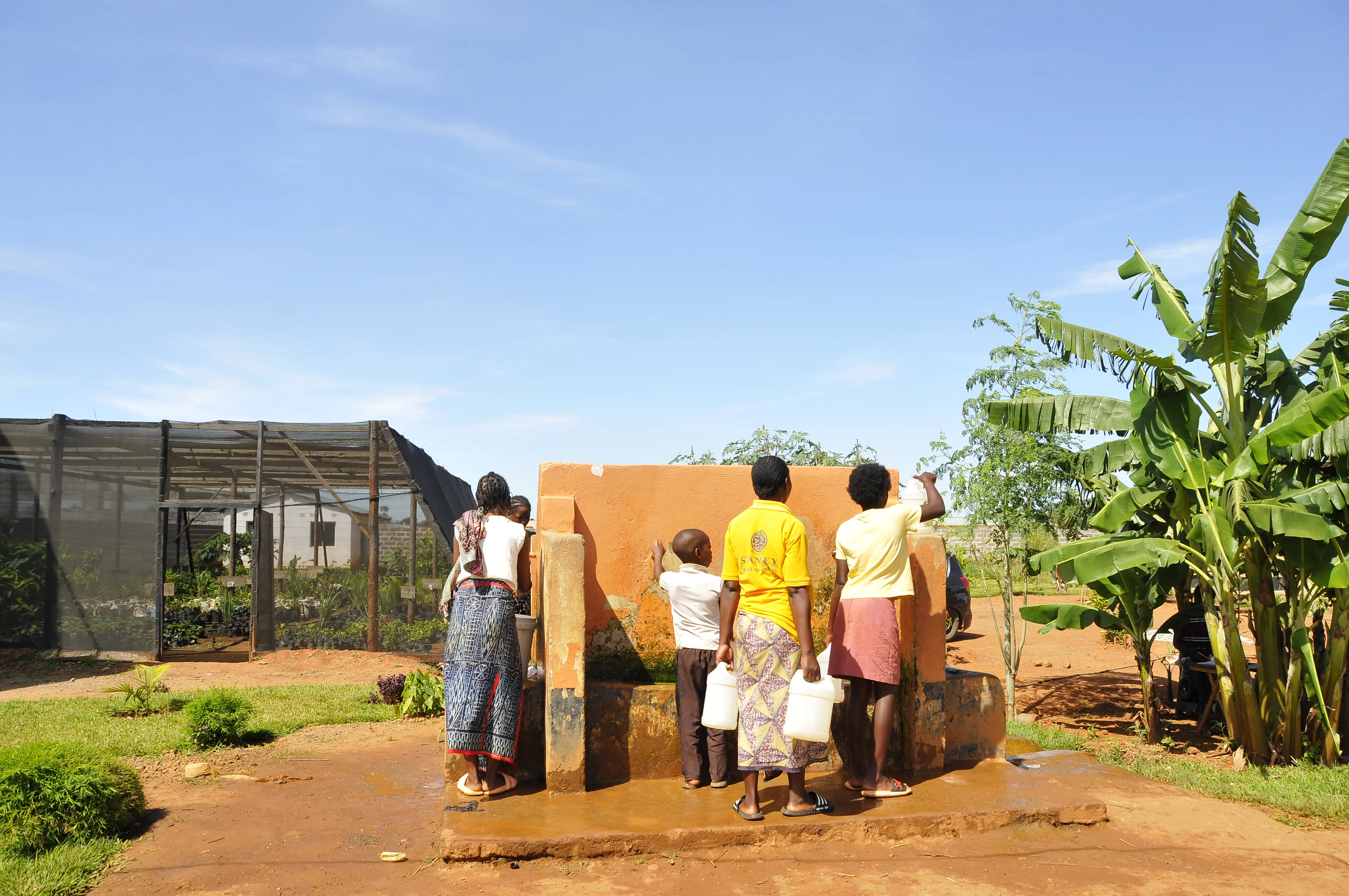
I had just returned from Italy and, arriving at our central point, I saw so many people many children and many women who, after school, were there with buckets collecting water from our water tower.
It was striking to see all those people coming, taking water, playing with it… as if it had become a central part of their lives. In those moments, you tell yourself: ‘This is why I do what I do.’ And I love it. It is having a real impact, and it’s beautiful. I truly believe in this. Thank you.”
Koalisation: “When and how did you realize that the Koalisation project had become an integral part of the community’s daily life and future?”
Musonda: “From the moment I understood that Koalisation aimed to change the way people cook something that for many years has relied on solid fuels like charcoal towards an alternative such as pellets, which is more sustainable for the future of our country. And this is the best path forward, also to fight climate change, which is becoming a serious issue in our daily lives.”