In recent years, an increasing number of travelers have begun seeking experiences far from traditional tourist paths.
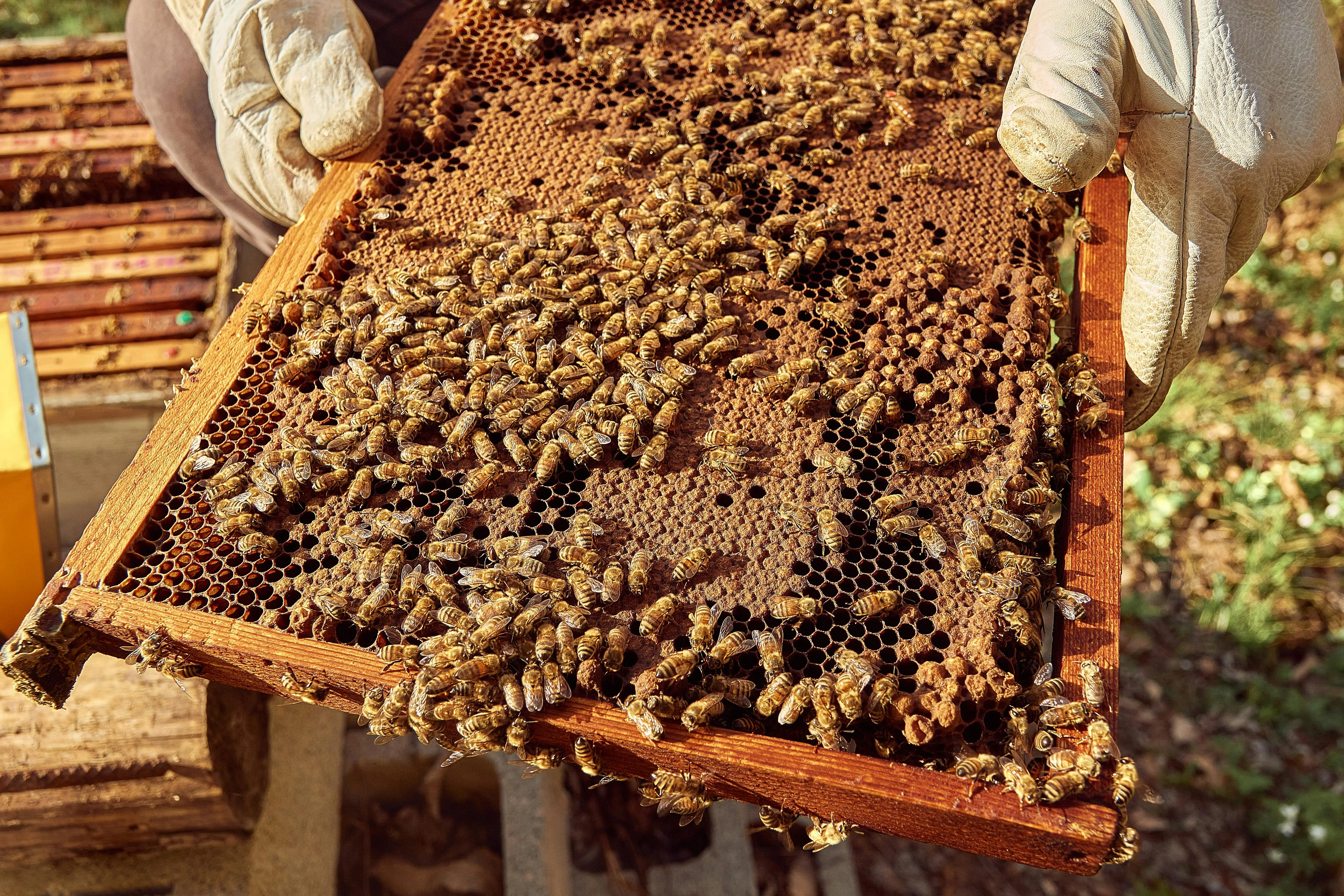
Among these, one of the most intriguing is apitourism: guided visits to apiaries where it is possible to observe the work of bees up close, meet beekeepers, and discover how honey is made.
It no longer represents a simple trip to the countryside, but a transformative experience that is leading thousands of people to rediscover the land through the eyes of the bees.
What is apitourism? Much more than a tasting
Apitourism is a form of experiential and sensory tourism that centers on the culture and traditions of rural communities.
It is a journey that allows travelers to enrich their knowledge of nature while enjoying the relaxing effects of the apiaries.
It is a total immersion that can take the form of various practical activities:
Educational Beekeeping: Observing the ancient work of the hive and understanding the complex social organization of these insects.
Apitherapy and Wellbeing: Benefiting from the "gifts of the hive" for health, as seen in holistic apiaries - structures where one can relax while breathing in the scents released by the hives.
Sensory Analysis: Learning to distinguish the nuances between a rare Sardinian strawberry tree honey and a high-mountain rhododendron variety.
Why is everyone talking about It? The return to healthy nature
Apitourism is now considered the new frontier of nature-based travel, but why are we only hearing about it now?
The answer lies in a growing desire for ecological and sustainable holidays, where tourists seek an authentic bond with the land, the story behind the product, and the exclusivity of local flavors.
Four fundamental functions explain the success of this phenomenon:
Educational Function: Raising awareness of the vital role bees play in biodiversity and ecosystems.
Health Function: The return to nature satisfies the need for natural remedies and psychophysical well-being.
Tourism Function: Enhancing the value of places and traditions often ignored by mass tourism.
Social Function: Creating new networks between beekeepers and tourism services, generating local employment.
Apitourism as a new rural economy
Apitourism is not just a curiosity for nature enthusiasts; it is becoming a real economic opportunity for many rural areas.
In several European countries, such as Slovenia, beekeeping is increasingly integrated with tourism activities, creating new sources of income.
Farms and beekeepers are supplementing honey production with immersive experiences such as guided apiary tours, honey tastings, wax-making workshops, or honey-based cooking classes.
It becomes the starting point for telling the story of a region and its local traditions.
Italy: a natural laboratory for apitourism
Italy represents one of the most interesting contexts for the development of apitourism, given its extraordinary variety of landscapes—from the Alpine arc to the Mediterranean coasts - which allows for the production of over 60 different varieties of honey.
The botanical richness of the country translates into a gastronomic and cultural heritage that serves as the ideal terrain for tourism experiences linked to beekeeping.
In various regions, honey-dedicated itineraries are emerging, such as the Strada del Miele (Honey Road) between Liguria and Lunigiana or the Strada del Miele del Roero in Piedmont. These are true cultural corridors linking beekeeping farms, historic villages, and natural landscapes, where visitors can enter apiaries, witness the honey extraction process, and taste monofloral honeys.
Natural parks are also becoming backdrops for these experiences. For instance, the Gran Sasso National Park hosts one of the first Italian mieloteche (honey libraries), where visitors can explore the sensory characteristics of mountain honeys and understand the role of ecosystems in production.
This intertwining of landscape, biodiversity, and gastronomic culture makes Italy an excellent laboratory for apitourism: a model of slow tourism that adds value to national territories.
Welcome to the era of Apitourism.