There is a moment, in certain villages of the Copperbelt province, when the day revolves around the fire. Not by choice: charcoal burns slowly, smoke fills the enclosed space, and meals are cooked over hours while inhaling it. Just a few kilometers away, those same forests are being cut down to produce that charcoal—an informal economy that traps thousands of families in a cycle that is difficult to break.
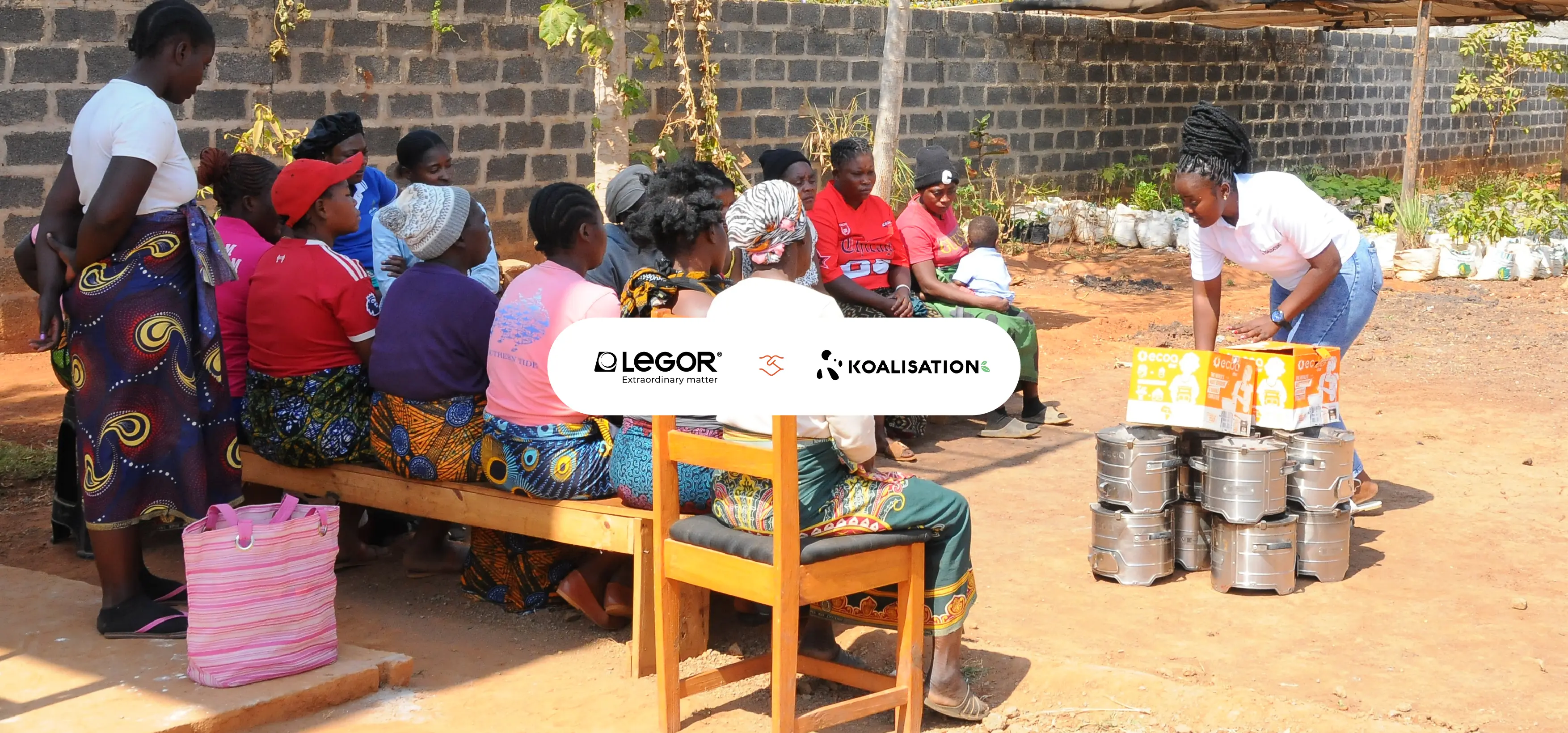
It is here that in February 2026, Legor, a Vicenza-based group specializing in alloys, plating solutions, and powders for jewelry and fashion accessories, today a Benefit Corporation, chose to fund a share of our project in Ndola
What funding a project means compared to buying carbon credits
The difference lies in when the money enters the picture. A carbon credit bought on the market is a certificate related to a reduction that has already taken place, produced by someone else, which the buyer meets at the end of the chain. Here, the opposite happens: the funding covers the implementation of a precise share of the project—cookstoves, trees, water access for a defined number of families—and the credits are what results from it, if and when the registry issues them.
This gives rise to the part Legor was most interested in: data arrives directly from the field, phase by phase, rather than post-facto. Households are identified and registered by name, training is delivered, stoves are handed over, and trees are planted and tracked over time. For a company where material traceability is a process requirement before a communication choice, it is the exact same logic applied to a different supply chain.
What the package includes
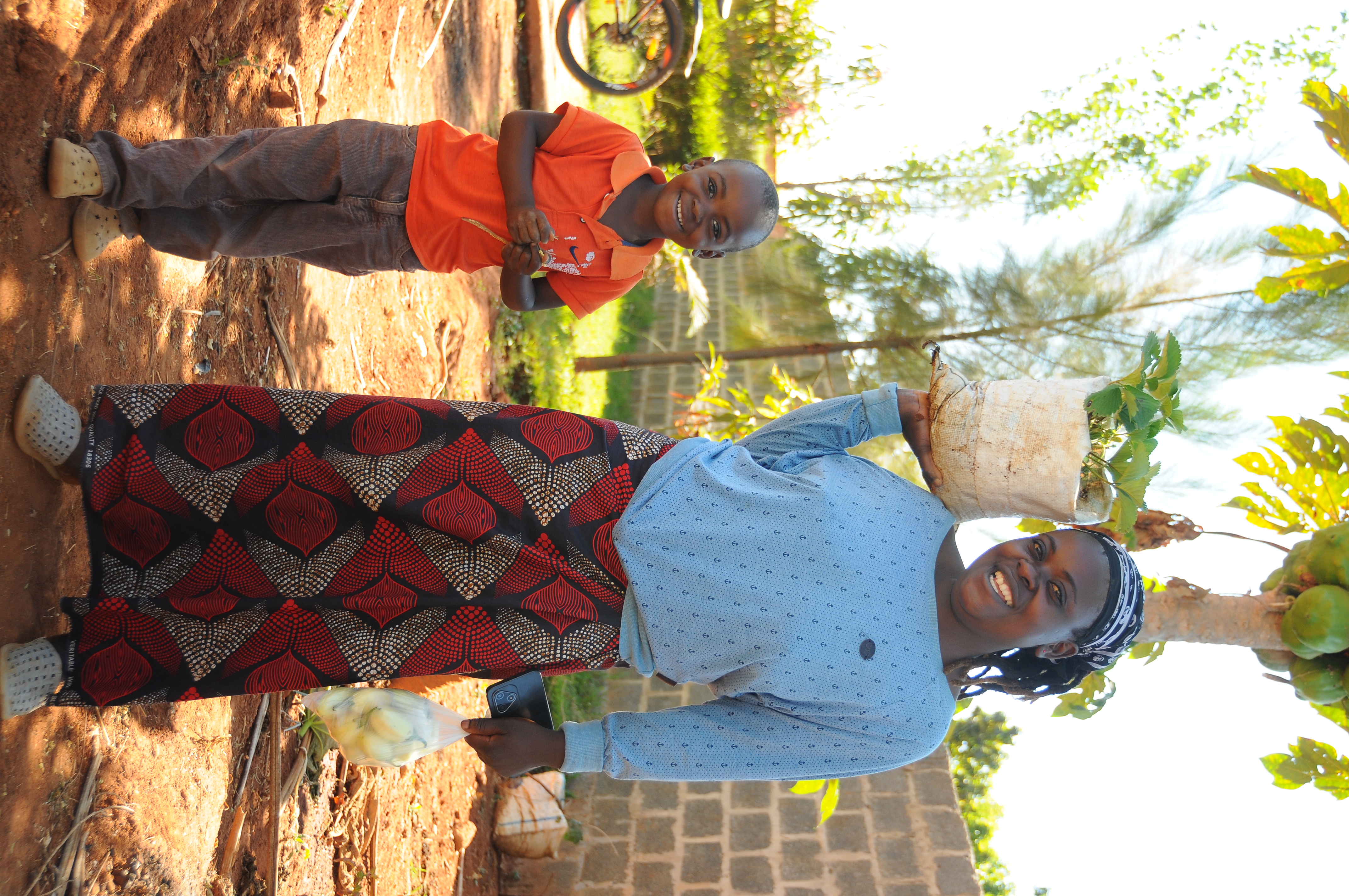
400 families in the Copperbelt province: efficient cookstoves, water access, and fruit trees planted near homes alongside agroforestry training. The project is structured across three mutually reinforcing levels:
Clean cooking: stoves that reduce charcoal consumption, cutting down both emissions and the smoke inhaled at home.
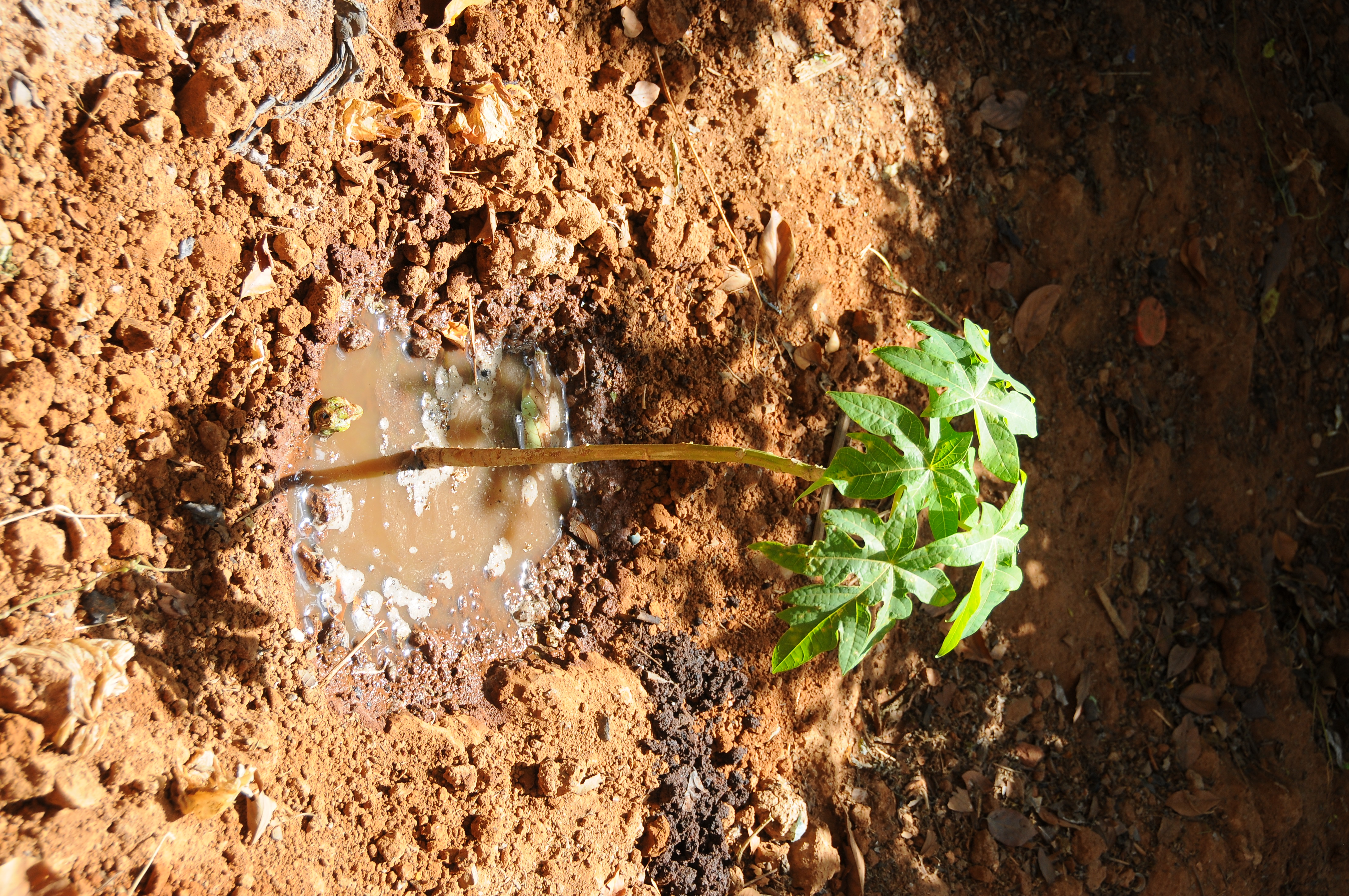
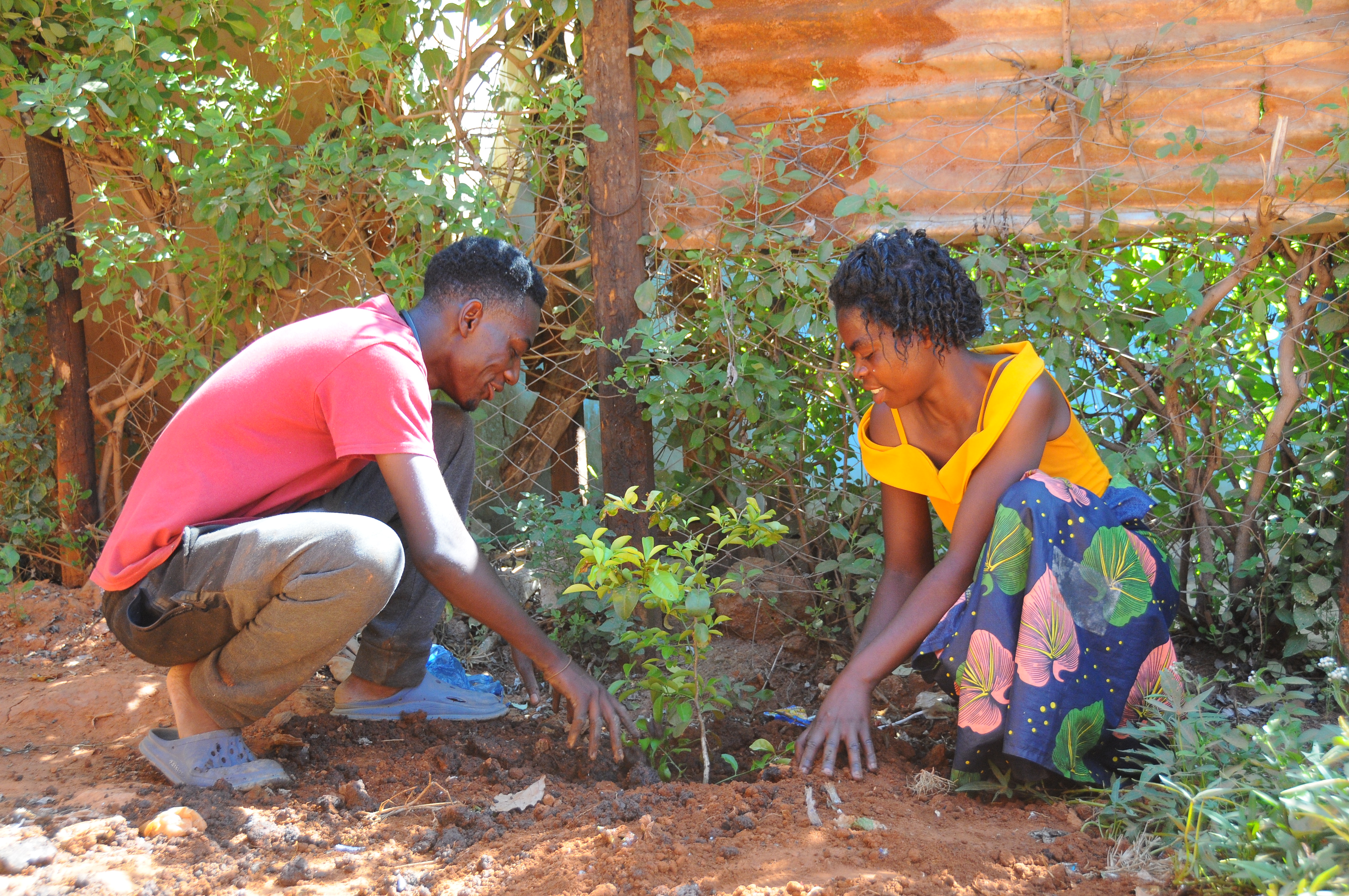
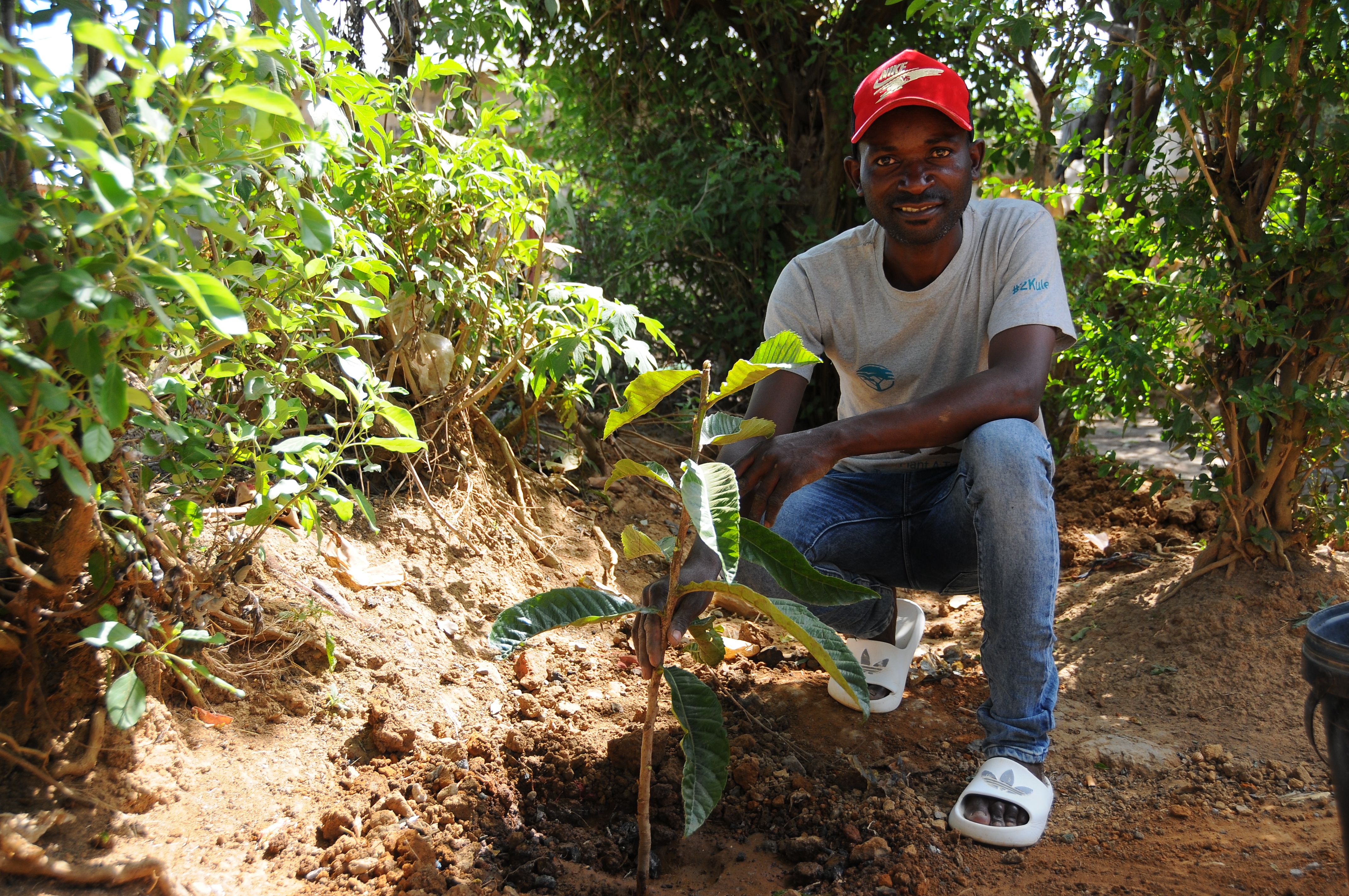
Agroforestry: the same families receive trees and training to restore tree cover in their fields. This is not symbolic planting: our field officers register every tree and monitor its survival rate over time. A tree planted without someone who knows how to make it grow is just a photo.
Economic transition for former charcoal burners: those who used to produce charcoal are involved in beekeeping as an alternative source of income. A beehive in an agroforestry area protects the surrounding trees, produces marketable honey, and generates revenue outside the extractive cycle.
First numbers from the field
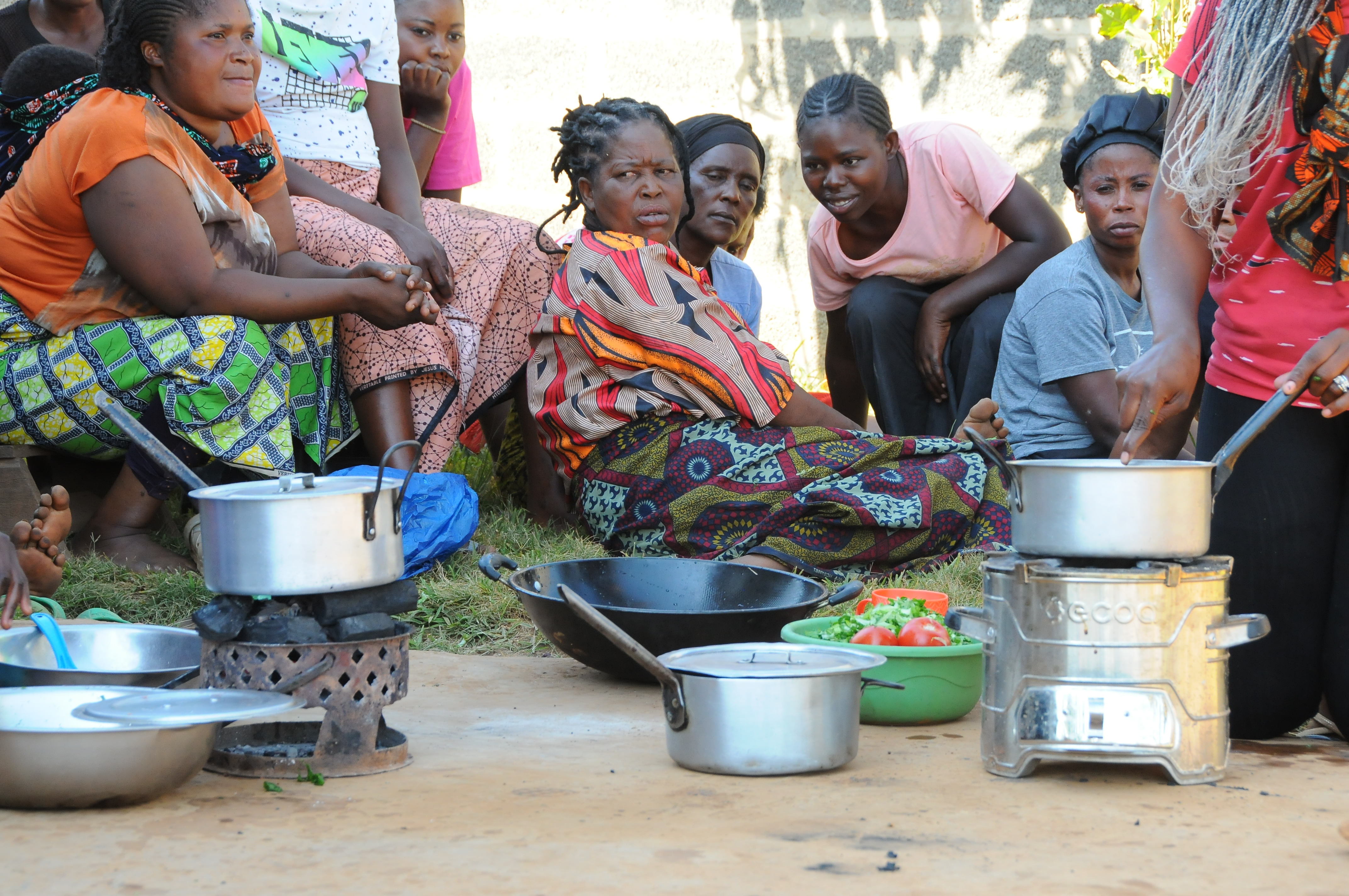
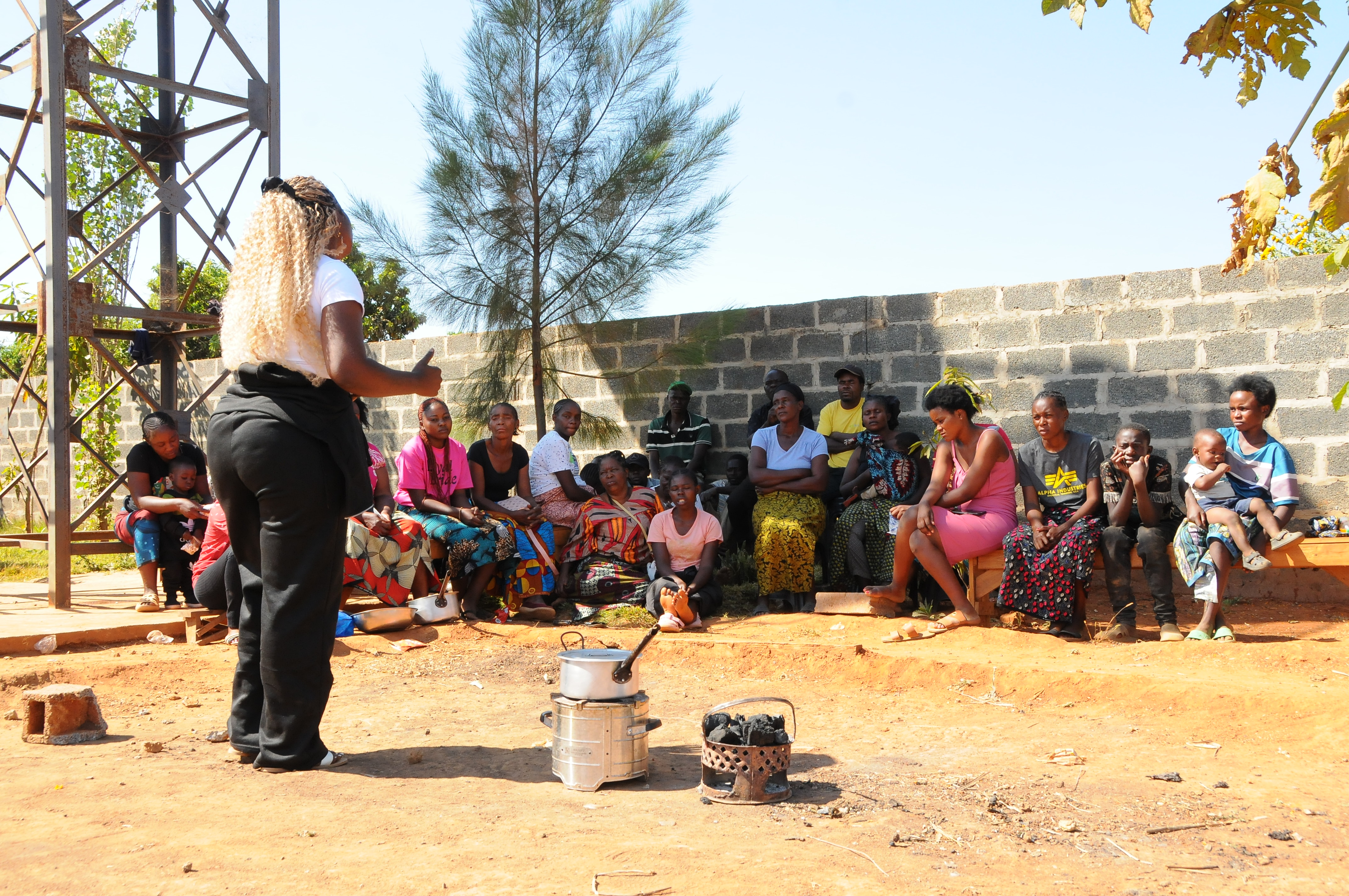
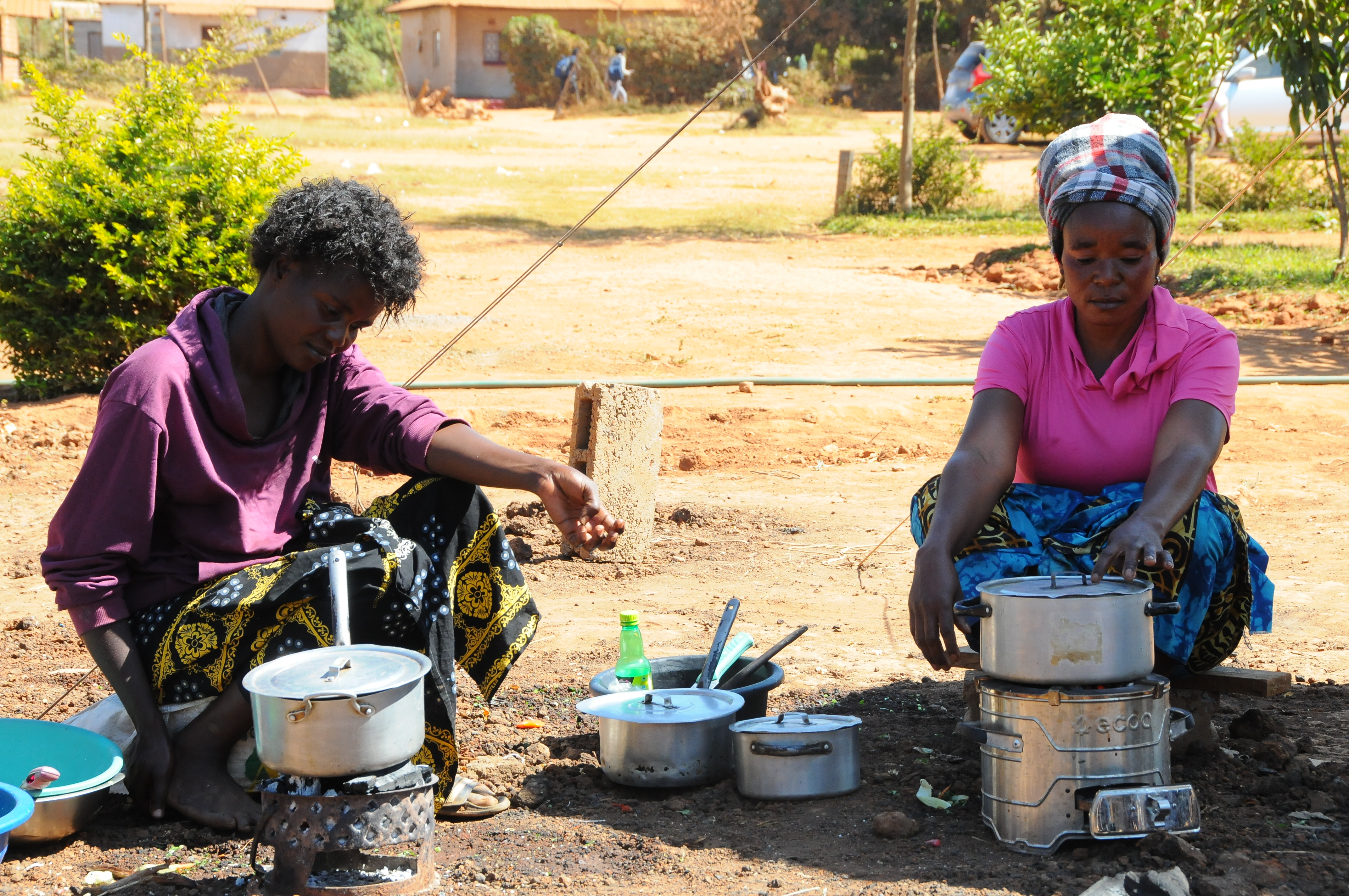
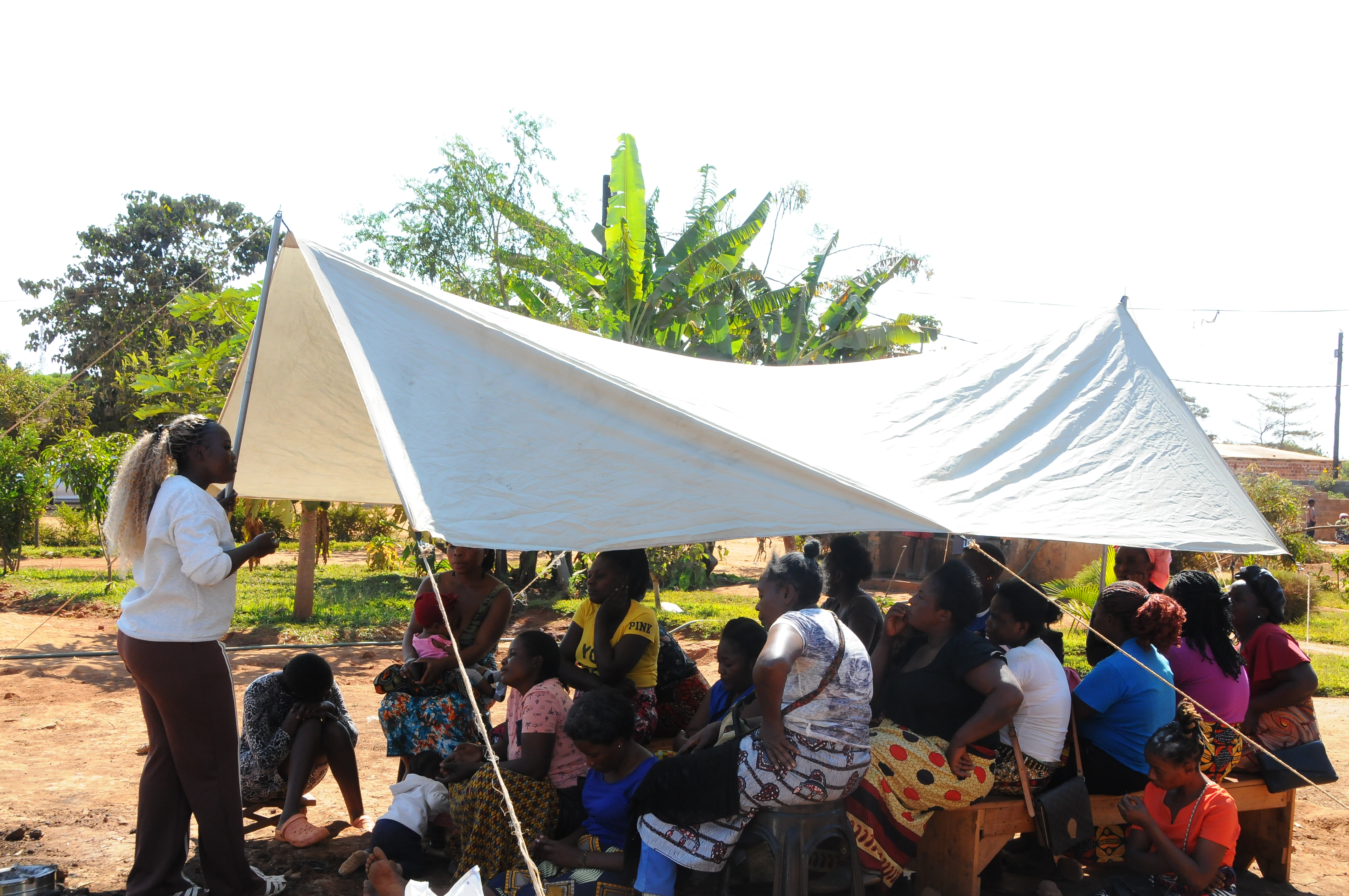
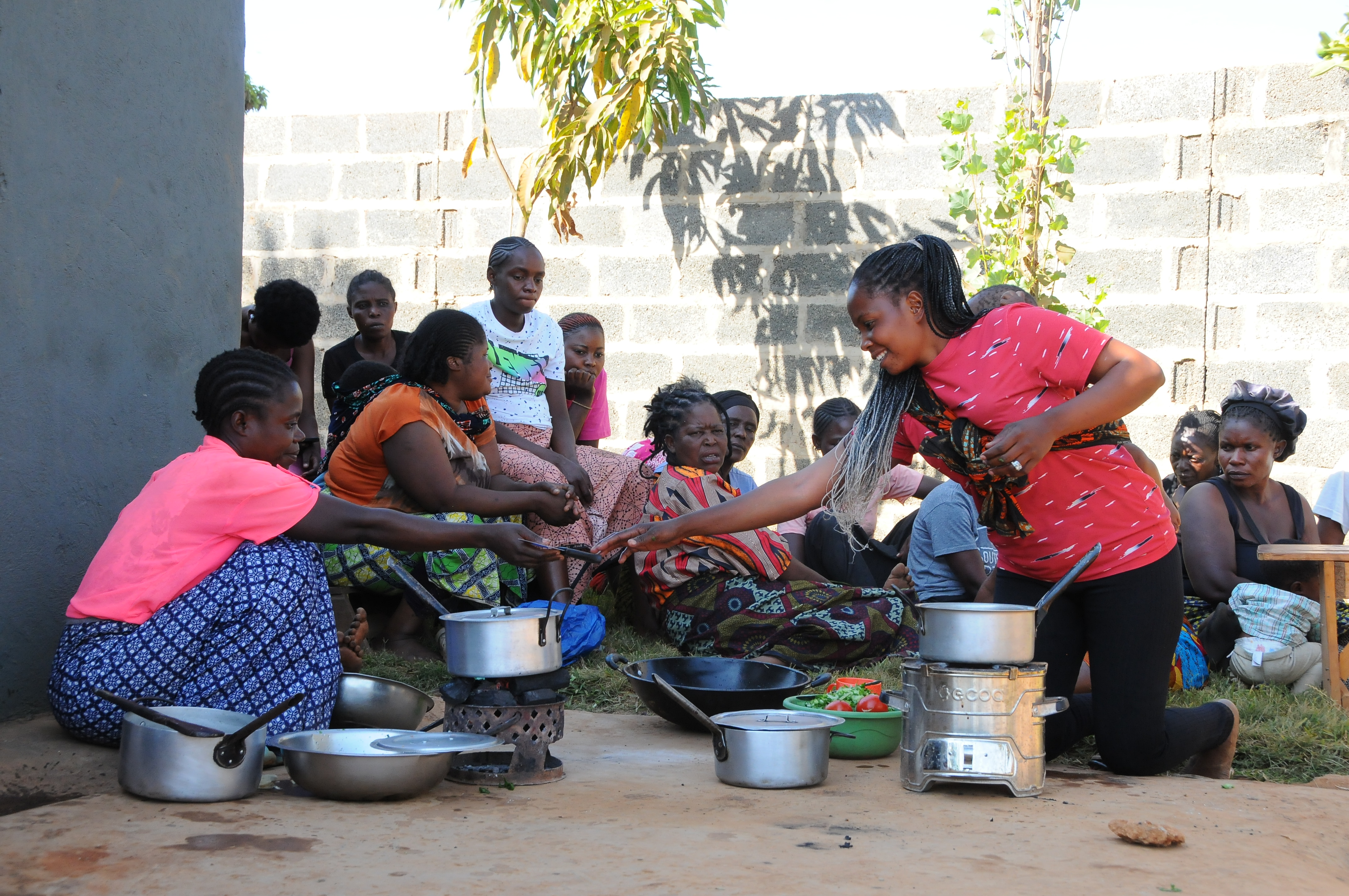
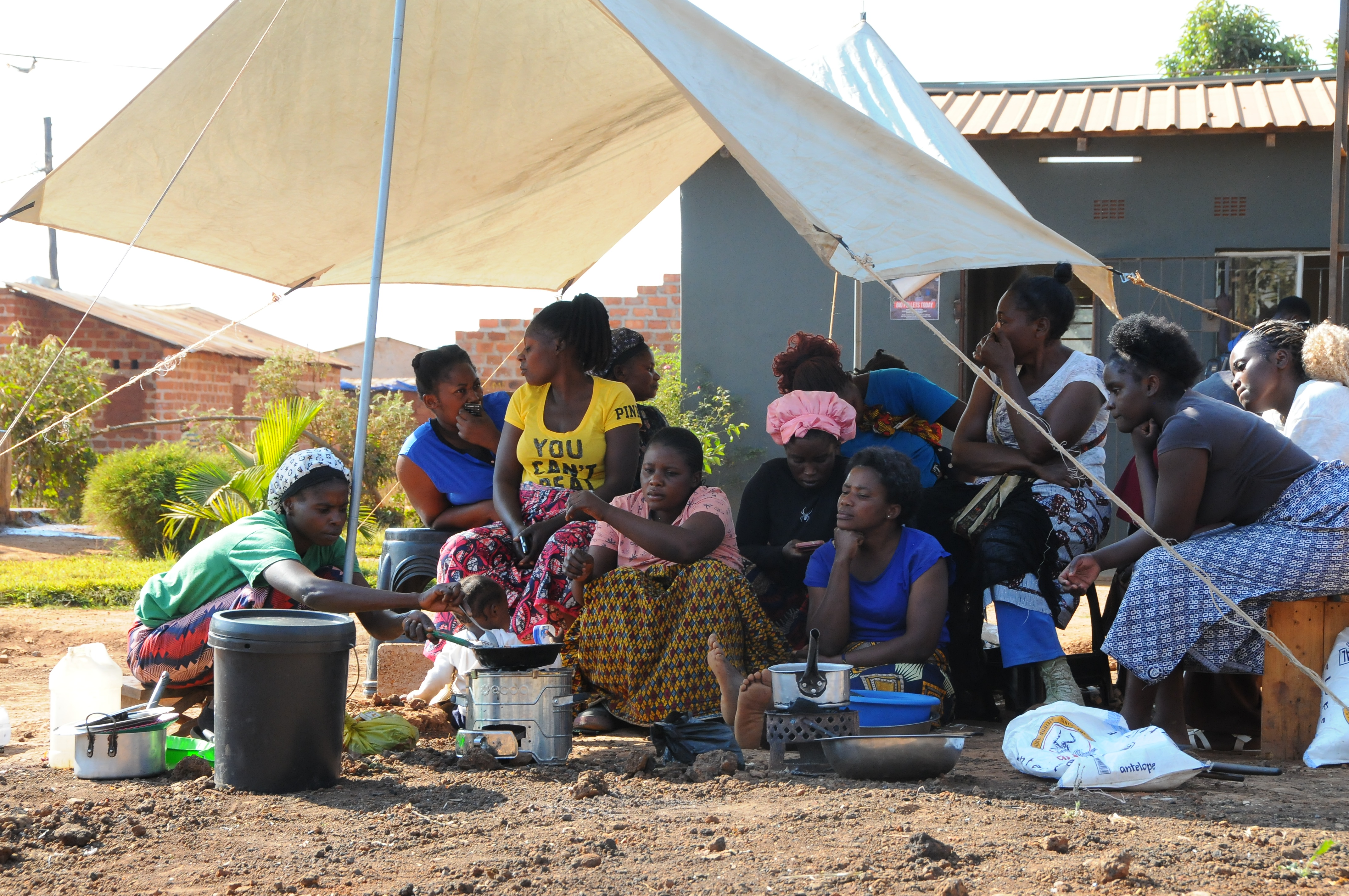
Before distribution, our team put the stoves to the test: a pot of nsima on the fire, a stopwatch, and a traditional mbaula side by side with an improved cookstove. Sixteen comparative tests were conducted over two weeks in June 2026, in front of around 400 people.
Average across the sixteen tests: 73 minutes of cooking time and 0.67 kg of charcoal with the traditional stove, compared to 57 minutes and 0.31 kg with the improved stove. That represents a 54% reduction in charcoal burned for the exact same meal. These measurements were collected by the Koalisation team during cooking demonstrations and are not certified data; they will be combined with data from the 400 households into the monitoring process that will feed the Impact Report
What happens next
The carbon credits derived from the share funded by Legor are expected in 2027; issuance timelines depend on the registry. In the meantime, the project continues to generate what it generates every month: data, photos, names, and trees taking root—or not.
For Legor, this marks the beginning of a journey where the precision defining their work with alloys extends to how they measure and communicate their environmental responsibility. For us, it is confirmation of a simple truth: the only impact you can talk about is the impact you can count.